Common Sports Betting Scams to Avoid in South Africa (2026)
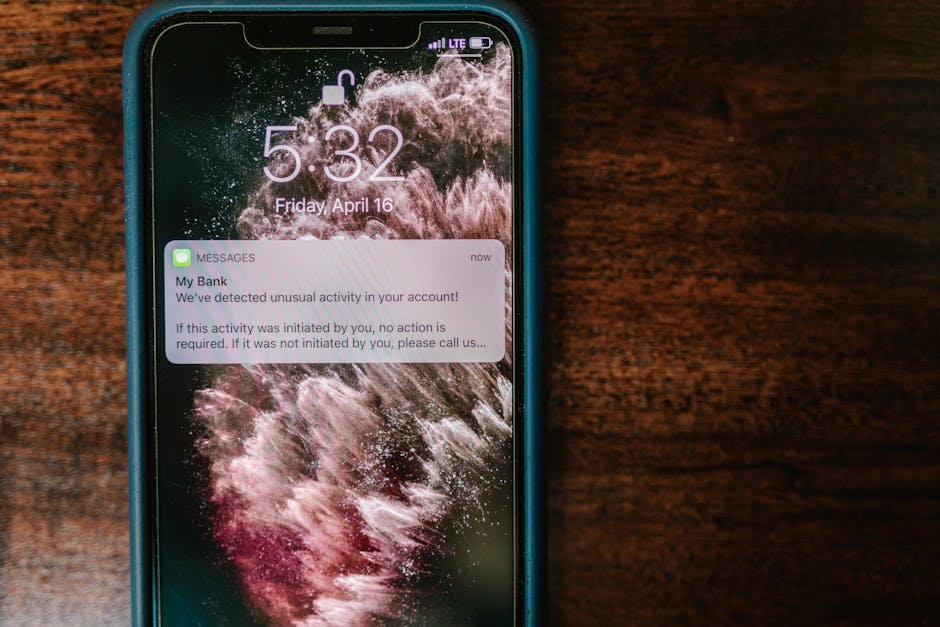
South Africa's betting market has grown fast, and so has the number of people trying to cash in on bettors who don't know what to look out for. Most of the scams doing the rounds aren't complicated. They rely on urgency, false confidence, and the hope that you won't check the small print before you hand over money or personal details. This guide walks through the most common ones so you can spot them before they cost you anything.
1. Unlicensed and offshore betting sites
Some sites market heavily to South African bettors with flashy bonuses and odds that look too good to be true, but they aren't licensed to operate here. If a bookmaker isn't licensed by a South African provincial gambling board, you have no local recourse if they refuse to pay out, freeze your account, or vanish overnight. Before signing up anywhere, check for licence information on the operator's site itself. If you can't find it, don't guess or assume it's fine, and don't deposit until you know for sure.
2. Fake tipster and "VIP" prediction services
These accounts pop up all over social media and messaging apps, promising "insider" tips or "guaranteed" winning selections for a subscription fee or a once-off payment. No one has guaranteed knowledge of a sporting outcome. Betting always carries risk, and anyone claiming otherwise is either lying or doesn't understand the market they're selling access to. Some of these tipster pages also screenshot old winning slips out of context to look credible, while quietly deleting evidence of their losing calls.
3. Aviator and crash-game "predictor" apps
Predictor apps and "hack" tools claiming to forecast when a crash game like Aviator will pay out are not real. These games run on random number generators, and there is no pattern a third-party app can detect or exploit. Anyone selling a predictor app is selling a piece of software with no actual function, often bundled with malware or used to harvest payment details. If you see one advertised, treat it as a scam, full stop, not a shortcut worth trying.
4. Phishing messages pretending to be your bookmaker
You get an SMS, WhatsApp message, or email saying your betting account has a problem, a bonus is waiting, or you need to "verify" your details urgently by clicking a link. The link leads to a fake login page designed to steal your username, password, and sometimes your banking details. Legitimate operators generally won't ask you to confirm sensitive information through a link sent out of the blue. If you're ever unsure, close the message and log in directly through the operator's official app or website instead of clicking through.
5. Fake bonus codes and "free bet" scams
Scammers post bonus codes on forums or social media that either don't work, redirect you to unlicensed sites, or require you to deposit into a third-party account before you can "claim" anything. Real promotions come directly from the operator's own official channels, with clear terms attached. If a bonus code is being pushed by a random account with no verifiable link to the bookmaker, be sceptical, and never send money to a middleman to "activate" a free bet.
6. Match-fixing tip scams
Some scammers claim to have contacts inside a club or league who can tell you which match is "fixed" before it happens, for a fee. This is illegal to act on even if it were true, and in practice it almost never is. These offers exist purely to separate you from your money, often escalating to demands for more payment once you've already handed some over.
7. Account takeover through shared logins or "boosted odds" groups
Groups offering to place bets on your behalf using their "boosted" or "insider" account access are a common trap. You're asked to send money for them to place a bet using their supposedly better odds or account privileges, and then the person disappears once paid. There is no legitimate reason for someone else to place a bet with your money on an account you don't control. Keep your own betting activity on your own verified account only.
How to protect yourself
- Only use operators licensed by a South African provincial gambling board, and confirm this directly on the operator's site rather than taking someone's word for it.
- Never pay for "guaranteed" tips, predictor software, or inside information on match outcomes.
- Don't click links in unsolicited messages claiming to be from your bookmaker. Type the address in yourself or use the official app.
- Check bonus terms on the operator's own site before trusting a code shared elsewhere.
- If a deal sounds unusually generous or urgent, slow down and verify before you act.
- Keep your login details private and never let anyone else place bets on your account.
If you've already been scammed
Stop all further payments immediately, change your passwords, and report the incident to your bank if any card or account details were shared. Keep screenshots of messages and transactions as evidence. If the scam involved an unlicensed operator, be aware that recovering funds can be very difficult since they fall outside South African regulatory protection, which is exactly why sticking to licensed operators matters from the start.
18+. Gambling can be addictive. If you feel your betting habits, or your reaction to a loss, are becoming difficult to control, help is available through the National Responsible Gambling Programme on 0800 006 008.
What are the most common sports betting scams to avoid in South Africa?
The most common ones are unlicensed offshore betting sites, fake tipster or ‘VIP’ prediction services, Aviator predictor apps, phishing messages pretending to be from a bookmaker, fake bonus codes, and match-fixing tip scams. All rely on urgency or false confidence to get your money or personal details.
Do Aviator predictor apps actually work?
No. Crash games like Aviator run on random number generators, so there is no pattern for an app to predict. Any tool sold as a ‘predictor’ or ‘hack’ has no real function and is often used to steal payment details or install malware on your device.
How do I know if a betting site is licensed in South Africa?
Check the operator's own website for explicit licence details from a South African provincial gambling board, usually stated in the footer or terms page. If you can't find clear licence information, don't assume it's legitimate and avoid depositing until you've confirmed it.
Can I get my money back if I was scammed by an unlicensed bookmaker?
It's often very difficult, since unlicensed operators fall outside South African regulatory protection and you have no formal complaints process to use. Report the incident to your bank if card details were involved, and keep all screenshots and transaction records as evidence.
Are tipster accounts on social media reliable?
Generally no. Paid ‘guaranteed win’ tipster accounts often show only their winning slips while hiding losses, and no one can guarantee a sporting outcome. Betting always involves risk, and any service claiming otherwise is misrepresenting how the market actually works.