How Each-Way Betting Works
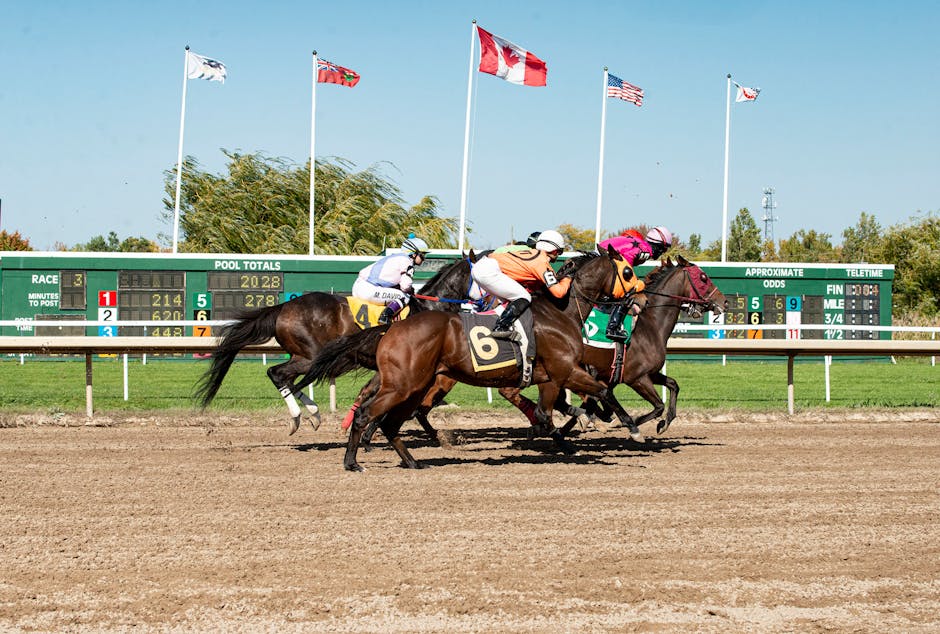
Each-way betting is one of those terms that gets thrown around a lot in horse racing circles, and it confuses a lot of new punters because it isn't actually one bet. It's two separate bets bundled into a single slip. Understanding how that split works, and what it actually pays out, matters before you put any money down.
What an Each-Way Bet Actually Is
An each-way bet is really two bets of equal stake placed at the same time on the same selection. The first part is a straight win bet, meaning it only pays if your selection finishes first. The second part is a place bet, which pays out if your selection finishes within a specified number of top positions, even if it doesn't win.
So if you put R20 each-way on a horse, you're actually staking R40 in total, R20 on the win portion and R20 on the place portion. That's a detail a surprising number of first-time bettors miss when they see "R20 each-way" and assume it's a R20 total outlay.
How the Payout Works
If your horse wins, both parts of the bet pay out. You get the win payout at the full odds, plus the place payout (usually calculated at a fraction of the win odds, such as a quarter or a fifth, depending on the specific terms set for that race). If your horse finishes in a placed position but doesn't win, only the place portion pays and the win stake is lost. If your horse finishes outside the paid places altogether, the whole each-way bet loses.
The exact fraction used for the place part of the odds, and the number of places paid, depends on the terms set for that particular race by the bookmaker or tote, and these can vary from field to field based on the number of runners. Always check the specific each-way terms attached to the race before placing the bet, since they aren't fixed across every race or every operator.
Why Punters Use Each-Way Bets
The appeal of each-way betting is that it offers a form of insurance against your selection not quite winning. If you fancy a horse to run well but you're not fully confident it'll cross the line first, an each-way bet lets you still collect something if it places. This is especially common in larger-field races, where predicting the outright winner is harder but a horse running into the places is more realistic.
It's worth being honest about the trade-off here. Because you're splitting your stake across two bets, your potential win payout on a successful bet is effectively smaller than if you'd put the full stake on a straight win bet. You're trading some upside for a higher chance of getting some money back. That's not a flaw in the bet, it's just the nature of how it's structured, and punters should go in with that expectation rather than thinking each-way betting is a way to boost returns.
Each-Way Betting on Non-Racing Markets
Each-way terms aren't limited to horse racing. Some South African bookmakers also offer each-way betting on golf tournaments and other multi-outcome events where a "placed" result is a meaningful outcome short of outright victory. The same logic applies: half your stake goes on the outright winner, half goes on a place finish, and the specific place terms (how many positions are paid, and at what fraction of the odds) will be set out by the bookmaker for that particular market.
Things to Check Before You Bet Each-Way
- How many places are being paid for that specific race or event
- What fraction of the win odds applies to the place portion
- Whether the total stake you're entering is per bet or the full each-way amount
- Whether the bookmaker offers any extra place terms for that race, since these can differ between operators
None of this guarantees a profitable outcome. Each-way betting is a way of structuring a bet around uncertainty, not a strategy for beating the odds. Treat it as a tool for managing risk on a selection you're unsure about, not as a guaranteed way to walk away with winnings.
A Word on "Systems" and Predictors
You may come across apps, tipsters or so-called prediction tools claiming to calculate the "best" each-way bets or guarantee placed finishes. These do not work. Horse racing and sports outcomes involve too many variables (form, conditions, jockey or player performance on the day, pace of the race) for any app or algorithm to reliably predict outcomes. Treat any product that promises guaranteed each-way winners as a red flag, not a shortcut.
18+ Responsible Gambling Notice
Betting is for adults aged 18 and over only. Each-way bets still involve real risk and can lose, even on a horse or player that performs reasonably well. If gambling stops being something you can control, or it starts affecting your finances or relationships, contact the National Responsible Gambling Programme on 0800 006 008 for free, confidential support.
This article is for informational purposes only and does not constitute betting advice. Gambling can be addictive, and if you or someone close to you is struggling, contact the National Responsible Gambling Programme on 0800 006 008.
How does each-way betting work exactly?
An each-way bet splits your stake into two equal bets: one on your selection to win outright, and one on it to finish in a paid place. If it wins, both parts pay; if it only places, just the place part pays; if it finishes outside the places, both parts lose.
What does each-way mean in horse racing?
In horse racing, each-way means betting on a horse both to win and to place (finish in the top few positions, depending on field size). It's two bets combined into one slip, so a R20 each-way bet actually costs R40 in total stake.
Is each-way betting worth it?
It depends on your confidence in the selection. Each-way betting reduces risk by giving a return if your pick places rather than wins, but it also reduces your potential win payout compared to staking the full amount on a straight win bet.
How many places does an each-way bet pay?
This varies by race and bookmaker, typically based on the number of runners in the field. Always check the specific each-way terms for that race, since the number of paid places and odds fraction used aren't fixed across every event.
Can you lose an each-way bet?
Yes. If your selection finishes outside the paid places, both the win and place portions of the bet lose and you lose your full stake. Each-way betting reduces certain risks but does not eliminate the possibility of losing your stake.